

Soil Compaction: Vibratory Plate, Tamping Rammer or Roller | ENAR
Vibratory Plate, Tamping Rammer or Roller: Which Equipment Is Best for Each Soil Type?
On any terrace construction, trench backfilling or light roadwork project, the same question inevitably arises: Should I use a vibratory plate or a tamper (rammer)… and when is it better to switch to a roller?
In practical terms: which soil compaction machine should you choose to work efficiently, deliver high‑quality results and comply with current market standards such as DTU specifications, bearing‑capacity requirements and long‑term structural warranties?
This guide is aimed at civil engineering contractors, landscaping professionals, masonry companies, equipment rental suppliers and groundworks specialists who carry out soil compaction tasks on a daily basis. Its objective is clear: to help you choose the right equipment—vibratory plate, tamper (rammer) or roller—supported by practical examples and recommendations based on ENAR’s product ranges.
Why Choosing the Right Compactor Is Essential for Long‑Term Durability
- Cracking or premature failure of concrete slabs
- Settlement and unevenness of paving stones or slabs
- Asphalt deformation and rutting under vehicle traffic
- Stable and durable foundations
- Fewer corrective interventions and lower maintenance costs over time
- Quality and bearing‑capacity tests passed on the first inspection
- A more professional and reliable image in front of clients, inspectors and project owners
Granular Soils (sand, gravel, crushed aggregate)
- They respond very well to vibration, allowing particles to rearrange, interlock and densify effectively.
- These materials are widely used in sub‑base layers, foundation layers and paving bedding layers for pedestrian and light‑traffic applications.
Cohesive Soils (silt, clay)
Cohesive soils—such as clays, silts and fine plastic materials—are held together predominantly by cohesion rather than friction.
On these soils, a light vibratory plate used alone is often insufficient to achieve the required compaction levels, particularly at depth. In most cases, the tamping rammer is the most suitable choice:
- Cohesive soils tend to absorb vibratory energy and can deform easily, especially when moisture content is high.
- Effective compaction therefore requires a vertical, high‑impact force concentrated on a small surface area, which is precisely the operating principle of a rammer.
- Trench backfills combining excavated soil and imported aggregates
- Terraces built over drainage layers and compacted sub‑bases
- Pedestrian paths and light vehicle access roads
- Light roadworks in residential developments
- Multiple material layers (existing ground, sub‑base, foundation and bedding layers)
- Access constraints caused by walls, fences, slopes or kerbs
- Bearing‑capacity tests and quality‑control requirements
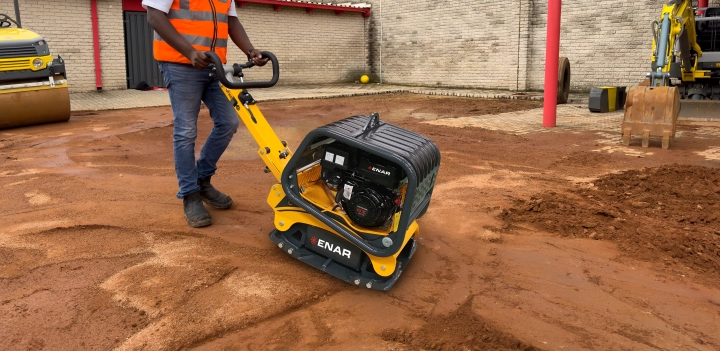
Vibratory Plate Compactor: Uses, Advantages and Limitations
- Granular soils such as sands and aggregates
- Asphalt and bituminous layers
- Light mixed soils, typically sand–soil blends
- Compaction of the drainage layer and sub‑base under concrete or tiled terraces
- Ground preparation for raised timber decks, helping to prevent future settlement
- Sub‑base layers (0/20 or 0/31.5 aggregates)
- Bedding sand
- Paving stones or concrete slabs
- Localised pothole repairs
- Courtyard and driveway access ramps
- Sidewalk and pavement sections
- Compaction of the final 20–30 cm of backfill, provided trench width allows safe plate operation
- High productivity on open areas such as terraces, courtyards and car parks
- Uniform compaction with a flat, level surface, ready to receive concrete, asphalt or paving
- Relatively lightweight machines, easy to handle and transport on site
- A wide range of centrifugal forces and base plate widths, allowing the equipment to be adapted to different job sizes and site conditions
Limitations
- Less effective on highly cohesive or plastic soils, where the machine may tend to bounce rather than densify the material
- Limited depth of influence, meaning thick fills must be compacted in multiple layers
- Reduced accessibility in narrow trenches or around obstacles, such as posts, inspection chambers or foundation elements
ENAR Vibratory Plates
To meet the wide range of requirements encountered on modern construction sites, ENAR offers several complementary ranges of vibratory plate compactors, designed to cover everything from confined urban works to open‑area surface preparation.
ZEN – Unidirectional Vibratory Plates
The ZEN range is designed for efficient compaction of granular soils and asphalt surfaces in general groundworks applications.
- Ideal for granular materials and bituminous layers
- Centrifugal force from 16 to 20 kN, with 400 or 500 mm base plates
- Integrated transport wheels, ensuring easy handling and mobility on site
- Well suited for terraces, pedestrian walkways and small light‑traffic areas
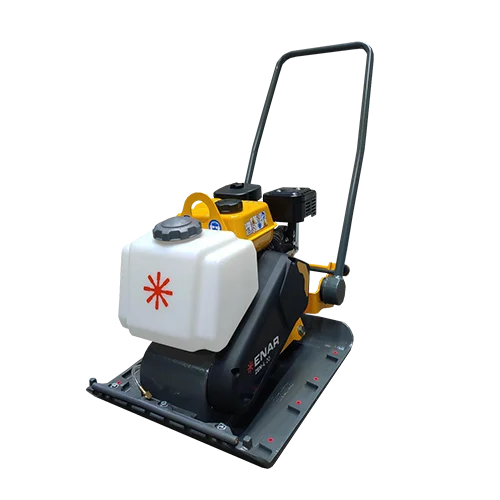
ZEN‑L – Compact Unidirectional Vibratory Plates
The ZEN‑L range offers a compact solution for projects where access and manoeuvrability are critical.
- Operating weight from 63 to 92 kg, ideal for confined spaces and narrow trenches
- 5,800 vibrations per minute (vpm), with 350 or 500 mm plate widths
- Optional transport wheels and water tank
- Particularly suitable for small urban works, pool surroundings and difficult‑to‑access areas
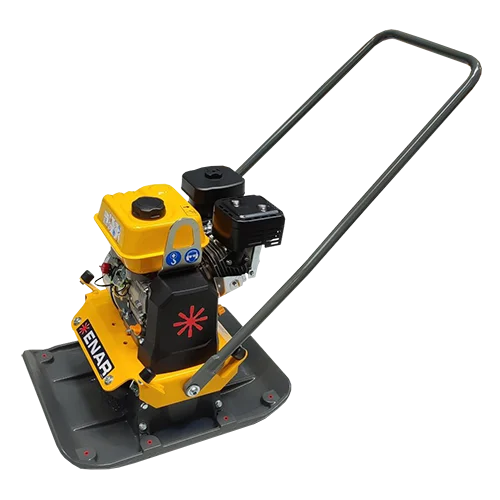
ZEN‑C – High‑Frequency Unidirectional Vibratory Plates (7,000 vpm)
The ZEN‑C range has been specifically developed for mixed soils and asphalt compaction in restricted environments, including trench applications.
- Very high operating frequency (7,000 vpm) for excellent compaction efficiency
- Outstanding manoeuvrability and control, even in tight working conditions
- Low hand–arm vibration levels, improving operator comfort and safety
- Ideal for trench finishing, sidewalks, and transitions between asphalt and paving
Both ZEN‑C and ZEN‑L models incorporate low‑vibration design features, helping contractors and rental companies comply with current hand–arm vibration regulations while maintaining high productivity on site.
Tamping Rammer: Uses, Advantages and Limitations
The tamping rammer compacts soil by means of a vertical impact (percussive action) rather than surface vibration. This operating principle makes it particularly effective in situations where energy must be concentrated on a small area and transmitted in depth, especially on:
- Cohesive soils such as silts and clays
- Deep trench backfill operations
- Confined work zones where high compaction energy is required in a limited footprint
Rammer for Trench Work: The Right Choice
A tamping rammer is virtually indispensable when:
- Trench width is limited, as is often the case for utility networks (water, gas, sewerage and electrical ducts)
- Trench depth is significant, requiring compaction in successive backfill layers
- The soil is clayey, silty or moisture‑affected, conditions under which vibration alone is insufficient
In these applications, the rammer allows contractors to:
- Perform layer‑by‑layer compaction, typically in lifts of 10 to 30 cm
- Work very close to walls, pipes, foundations and structures without loss of efficiency
- Minimise the risk of long‑term settlement, particularly under roadways and trafficked surfaces
Advantages of Tamping Rammers
- Excellent deep compaction performance on cohesive and moisture‑sensitive soils
- Exceptional manoeuvrability in very confined or restricted spaces
- Localised impact force, allowing safe and precise work around sensitive elements such as pipes, inspection chambers and structural edges
- Low productivity on large, open surfaces, where vibratory plates or rollers are more efficient
- Higher physical demands for the operator, due to the machine’s guiding effort
- Generally higher hand–arm vibration levels compared to modern vibratory plates, requiring controlled exposure times and good ergonomic practices
- Compact machines (approx. 73–81 kg), combining robustness, reliability and easy on‑site handling
- Powered by 4‑stroke petrol or diesel engines, equipped with a lightweight, wear‑resistant compaction shoe
- Three‑stage air filtration system, ideal for operation in dusty trench backfills and granular‑cohesive mixes
- Designed for low operating and maintenance costs, with improved operator comfort thanks to balanced jumping motion and noise reduction achieved by optimised fuel tank positioning
How to Choose the Right Machine for Your Next Project
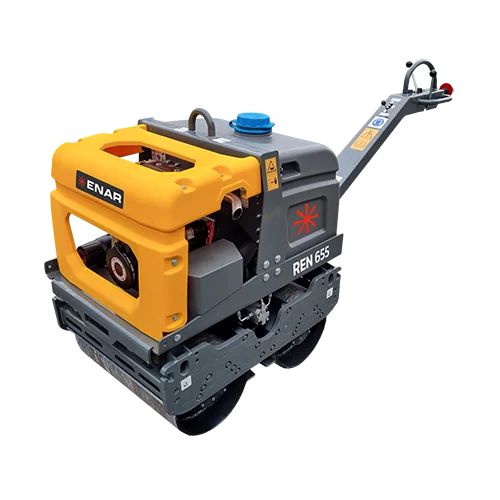
- Granular soils (gravel, sand, crushed aggregate → Priority to vibratory plate compactors (ZEN, ZEN‑L, ZEN‑C) or, on larger surfaces, the REN 655 vibratory roller.
- Cohesive soils (clay, silt) → Priority to the PH tamping rammer, optionally followed by a vibratory plate for surface finishing or levelling.
- Tamping rammers: typically 10–30 cm compacted layers
- Unidirectional vibratory plates (ZEN, ZEN‑L, ZEN‑C): 15–30 cm loose‑lift layers, depending on material and machine output
- Reversible vibratory plates (TEN 25 / 30 / 35 / 45): thicker layers, suitable for foundations and coarse aggregates requiring higher compaction energy
- REN 655 vibratory roller: layer thickness defined by engineering specifications, using adjustable vibration levels
Consider Accessibility and Site Constraints
- Narrow trenches (< 40 cm) and highly confined areas → PH rammers
- Wider trenches or difficult garden access → ZEN‑L or ZEN‑C
- House terraces and pedestrian paths → ZEN or ZEN‑L
- Light roads, parking areas and pavements → TEN 35 / TEN 45 for base layers + REN 655 for asphalt finishing
Operator Comfort, Ergonomics and Vibration Control
Workplace safety regulations across Europe require increasingly strict monitoring of hand–arm vibration (HAV) exposure:
- Action value: 2.5 m/s²
- Limit value: 5 m/s² over an 8‑hour working day
In practice, contractors and rental companies should prioritise:
- Machines equipped with anti‑vibration handles and certified low HAV levels (ZEN‑C, ZEN‑L, TEN 35, TEN 45)
- Quieter equipment, such as PH rammers with acoustically shielded fuel tanks and low‑noise TEN plates
- Ergonomic design features, including integrated transport wheels, well‑positioned handles and progressive control systems
Digital Fleet Management with ENAR TrackPro
ENAR’s TrackPro system—available on PH rammers and the REN 655 roller—supports modern fleet and asset management by enabling:
- Accurate hour tracking
- Service and maintenance planning
- Monitoring of operating conditions and usage patterns
This makes TrackPro particularly valuable for equipment rental companies and contractors focused on productivity, traceability and cost control.
| Job Type | Recommended ENAR Machine | Concrete Examples |
| Narrow trench backfill (< 40 cm), silty or clayey soil | PH Tamping Rammers | Water and gas pipelines, electrical ducts, individual sanitation systems, service connection repairs. |
| Wider trench backfill, mixed soils, 15–25 cm layers | Unidirectional vibratory plates | Utility trench finishing, backfill around swimming pools, technical road trenches. |
| House terrace, pedestrian path, landscaped area | ZEN or ZEN L vibratory plates | Concrete or tiled terraces, pedestrian access paths, pool surrounds, interior courtyards. |
| Light vehicle driveway, garage access, residential yard | Reversible vibratory plates | Gravel and asphalt driveways, garage accesses, heavily used residential yards. |
| Light parking areas, residential roads, asphalt pavements | Vibratory rollers | Customer parking areas, internal residential roads, pavements, cycle lanes. |
| Small area asphalt repair, potholes, urban work | ZEN C (high manoeuvrability, 7,000 vpm) | Sidewalk patching, manhole cover reinstatement, localized asphalt repairs. |
| Compaction around foundations, retaining walls, cohesive soils | PH rammers + optional ZEN L finishing | Fence foundations, strip footings, small retaining walls, structural abutments. |
Summary
- Soil type
- Layer thickness
- Site accessibility and working constraints
Related News
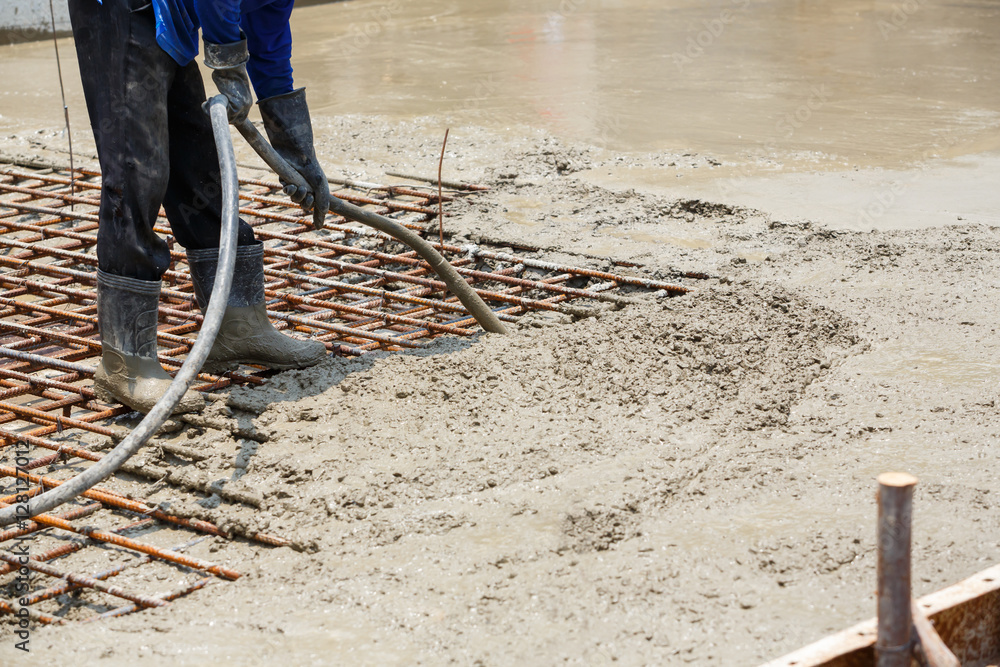
5 Benefits of High-Frequency Vibration
.webp)
.jpg)
Related Products
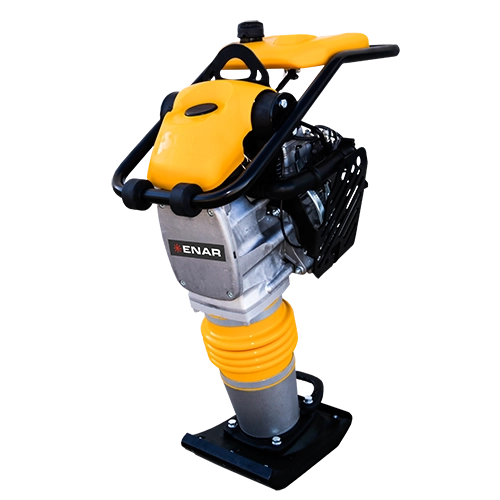 PH
Tamping Rammer
PH
Tamping Rammer
Tamping Rammer
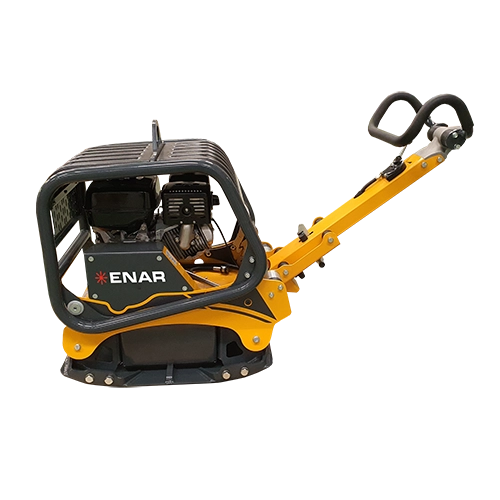 TEN 35
Reversible Plate Compactor
TEN 35
Reversible Plate Compactor
Reversible plate
 ZEN-C
Single-direction vibratory plate
ZEN-C
Single-direction vibratory plate
Single Direction Plate
 ZEN-L
Single-direction vibratory plate
ZEN-L
Single-direction vibratory plate
Single Direction Plate
 REN 655
Hydraulic Vibrating Roller
REN 655
Hydraulic Vibrating Roller
Vibratory Roller