

Vibration

Vibration machinery

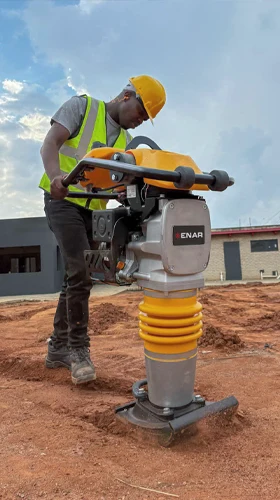
ENAR concrete vibrators stand out for its high quality and performance.
All products from Vibration

Concrete vibrators for construction projects

Concrete vibrators for construction projects
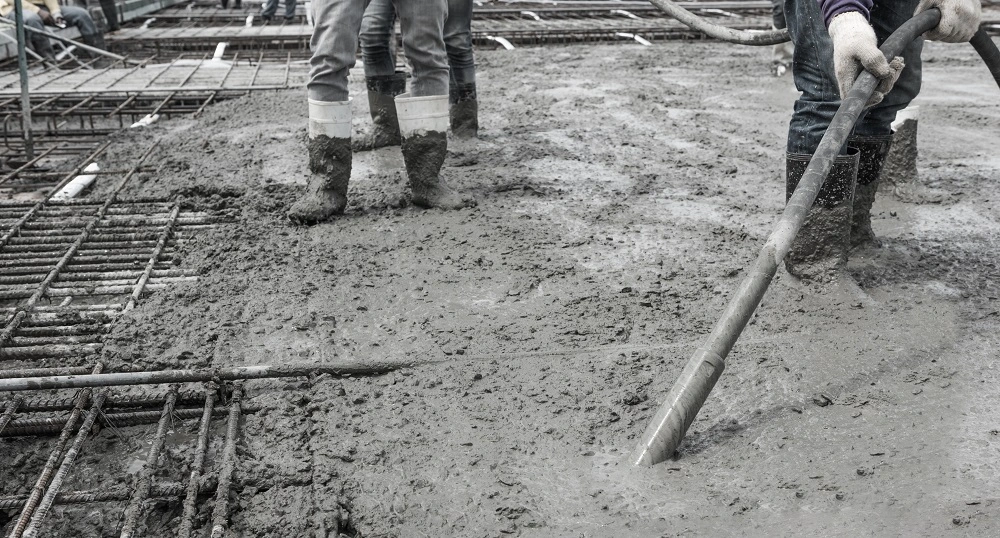
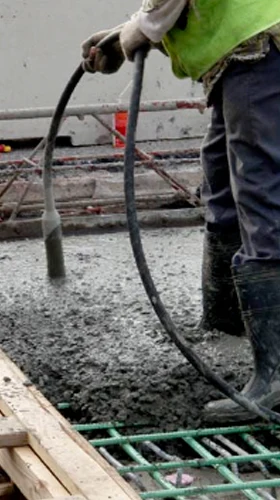
Concrete vibration is part of the placement process that helps remove trapped air and ensures proper consolidation of fresh concrete. When concrete is vibrated correctly, the mix settles around reinforcement, fills voids, and produces a dense structure with a consistent finish. For contractors and concrete crews, proper vibration improves durability, compressive strength, and surface quality.

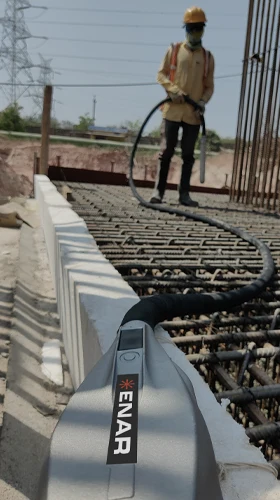
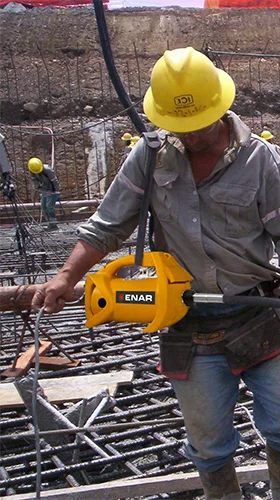
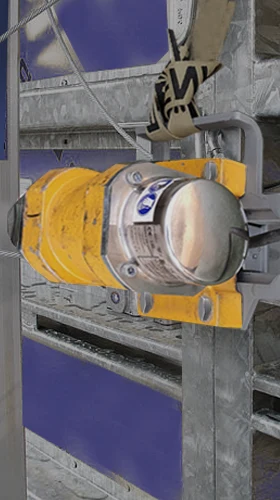
ENAR manufactures a full range of concrete vibration equipment designed for different types of construction work. Internal vibrators are commonly used for columns, walls, slabs, and foundations, while external vibrators are suited for precast forms, molds, and large formwork systems.

With the right equipment, crews can achieve consistent compaction across different concrete pours and jobsite conditions.

Tips for choosing a concrete vibrator
Tips for choosing a concrete vibrator
Identify the type of project
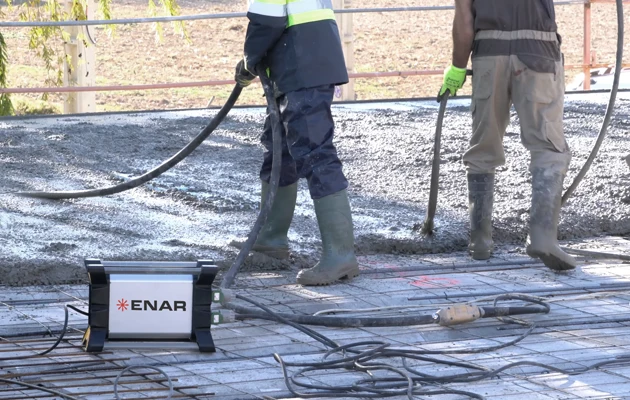
Start by reviewing the type of work being performed. Large pours such as foundations or structural elements typically require high-frequency vibration to ensure proper consolidation. For smaller structural work or detailed placements, an eccentric internal vibrator may provide better control.

Choose the right vibrator type
Different vibration systems are designed for specific applications in concrete placement:
  • High-frequency vibrators
  • Eccentric vibrators
  • Pneumatic vibrators
  • Pendulum vibrators
  • External vibrators

Selecting the correct type helps improve productivity and ensures proper consolidation based on the formwork, reinforcement density, and volume of concrete.


Check durability and build quality
Concrete vibration equipment must handle demanding jobsite conditions. Look for units built with wear-resistant components, durable housings, and reliable drive systems that can withstand continuous use on construction sites.

Review technical specifications
Performance depends on several key factors such as vibration frequency (vpm), head diameter, shaft length, and overall equipment weight. These specifications determine how effectively the vibrator consolidates concrete and how easy it is for crews to handle during placement.

Consult experienced suppliers
Working with an experienced manufacturer can help contractors select equipment that fits the requirements of each project. Technical guidance is useful when choosing vibration systems for different structural applications or production environments.

Why contractors choose enar concrete vibrators
Why contractors choose enar concrete vibrators

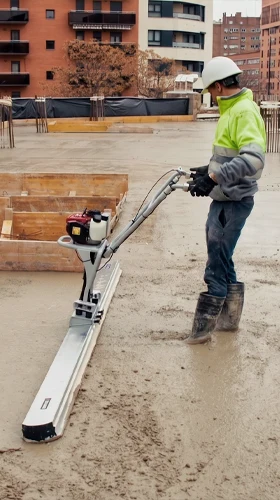
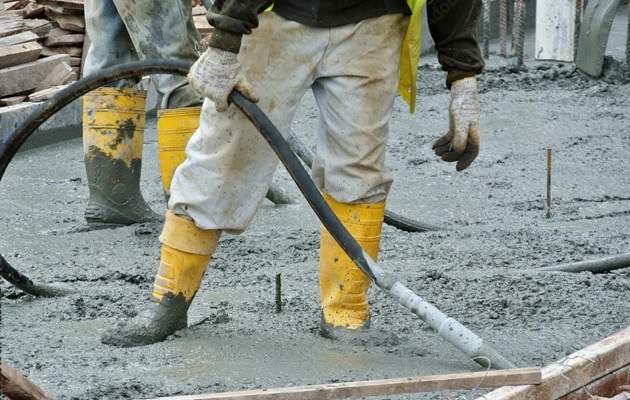
ENAR has decades of experience manufacturing concrete vibration equipment for construction professionals. The product range includes internal vibrators, external vibrators, vibrating screeds, and vibrating heads designed for demanding jobsite use.


The equipment is built to support efficient concrete consolidation, reliable performance, and long service life in structural construction and precast applications.

Frequently asked questions about concrete vibrators

  • What is a concrete vibrator used for?

    A concrete vibrator is used to consolidate freshly placed concrete. The vibration removes trapped air pockets and helps the concrete settle around rebar, formwork, and embedded elements. This process improves density, structural strength, and surface finish.

  • When should internal or external vibrators be used?
    Internal vibrators are typically used in structural pours such as columns, beams, slabs, and footings where the vibrator head can be inserted directly into the concrete. External vibrators are mounted on formwork and are commonly used in precast production, molds, or elements with dense reinforcement where internal vibration is difficult.
  • Can concrete be consolidated without a vibrator?

    Concrete can be manually consolidated using rodding or tapping on formwork, but these methods are less effective and usually limited to small pours. For most structural work, mechanical vibration is required to achieve proper consolidation and meet construction quality standards.

Related Ranges